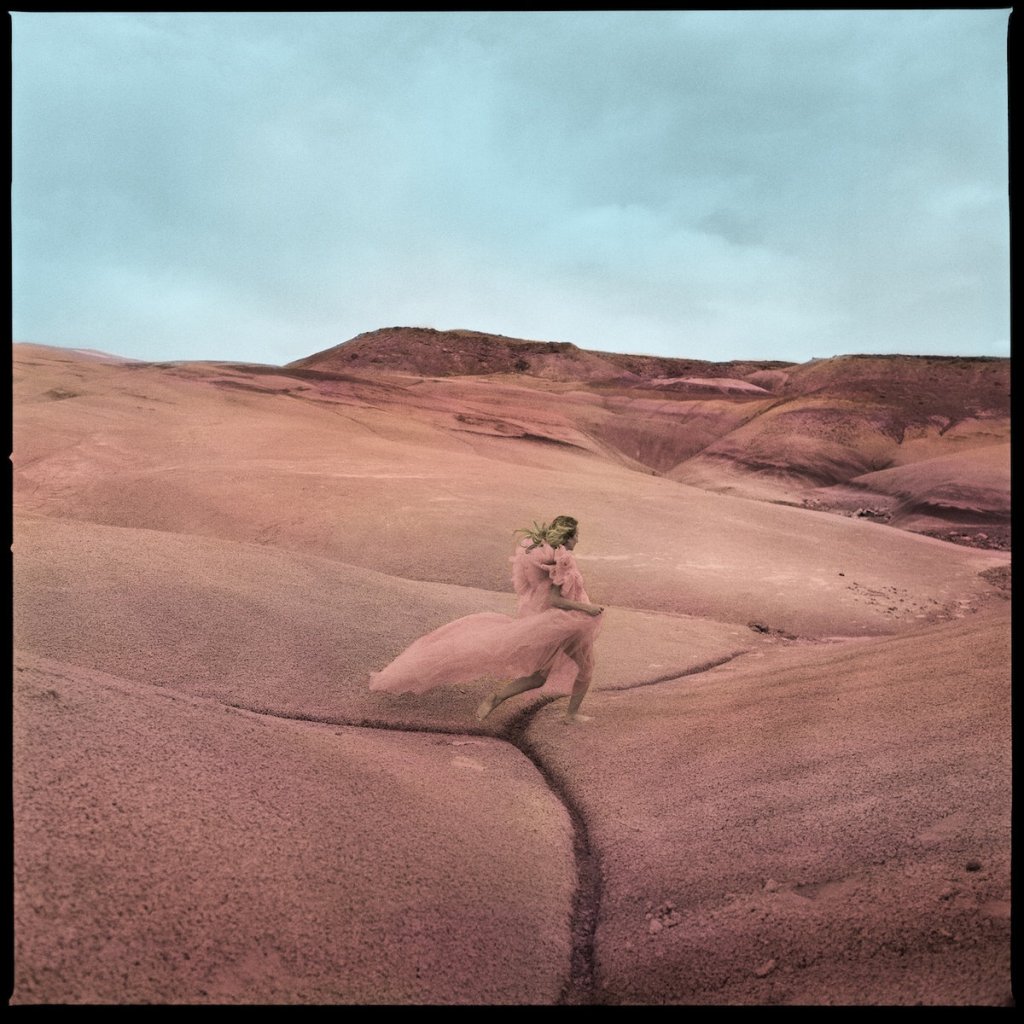
Four albums into her career as a torchbearer of Nashville’s alternative country music scene, Margo Price introduces herself as having “nothing to to prove” and “nothing to sell.” She thoroughly follows through with this claim on Strays, opting to blend her folksy songwriting and vocal delivery into tracks that evoke elements of 1960s psychedelic rock, 2010s indie pop, and the sound of the heartland rather than making another Midwest Farmer’s Daughter like many of her hometown fans may be yearning for. The resulting songs revolve around a nexus closer to Price herself than her influences – a welcome development after the pastiche-heavy That’s How Rumors Get Started. Even “Radio,” only a half-step distance in both subject matter and musical key from conjuring outstretched arms and claps in its chorus, finds its identity through Price’s unmistakable voice (so much so that it is easy to miss Sharon Van Etten’s vocal contribution if you did not know to listen for it).
The secret ingredient appears to be an embrace of idiosyncrasy. Titling this album after “strays” is a classic rock n’ roll gambit for defining an oxymoronic community of those who share a common sense of feeling ostracized and out of place from the rest of society. The interlude of the opening track “Been to the Mountain” exemplifies the dichotomy of pride and fearful longing that other songs explore in this vein: right after asking the listener if they have also ever wondered if they are “on the list” or “being watched” out of paranoia, she puts up her guard, claiming she has “been called every name in the book” and dares us to take our best shot at her. The lonely individualism that Price chronicles and plays the mascot for is clearly closer to her heart than her previous dabbling in the well-known greatest hits of country songwriting on subjects like swagger, heartbreak, and wild times.
Sometimes, however, it means that the well-trodden steps that Price stumbles through on Strays are no less frequent and merely of a different sound than she has previously faltered on. Take “Light Me Up,” for example: a 1960s blues/psych rock odyssey that only goes to prove why bands like Ten Years After go largely forgotten compared to their more enterprising contemporaries like Love or The Jimi Hendrix Experience. Overly safe production decisions soften the edge on songs like “Country Road,” where guitars that were clearly intended to underline the punch of its chorus ultimately come across as disappointingly gutless. Price also over-relies on lyrics from the platitudinous dictionary of “Turn on, tune in, drop out” in her attempts at meaningful takeaways, such as the saccharine cornerstone lyric of “Landfill”: “I made love and love made mе / but only love can tear you apart.”
And yet, even though it takes longer than deserved, Price strikes gold twice on Strays: the ballad “Anytime You Call” is her “Stand By Me” in both intention and perfect composition. It is the kind of song you can both see yourself singing to those you want to reach the most and the song you want to warm your cold heart in your lowest moments, an emotionally perennial quality that many artists would kill for if it meant they could successfully commit it to tape even just once in their careers. On the complete opposite side of the spectrum is “Lydia,” by far the album’s emotional nadir. She relays a transmission from the edge of making ends meet over four elegiac chords and a dissonant string quartet, words spilling out of her like she has to describe new, gut-wrenching details as they present themselves that are at risk of escaping perception at any moment. It’s “Desolation Row” with urgency and crushing realism, perhaps the best song Price has written to date, and a sign of what she is capable of when she truly gets in touch with the sense of freedom and audaciousness she strives to bear the standard for throughout the rest of the album. Anyone who has seen her perform live knows how captivating she can be with nothing but her voice and a guitar, and songs like “Lydia” are undisputable evidence of this. All she has left to do is perfect the art of capturing this rawness on wax, and if she has as much time as she feels she does, it is only a matter of time before she achieves this.
★★★
 Delian Media
Leave a comment